
Therapy for Athletes in Mississauga & Online

Support for the mental side of sport
I’ve played soccer my whole life, and over the years I’ve also done rock climbing, basketball, volleyball, pickleball, running, rollerblading, and skating. So I know how much sport can mean to you, and how hard it can be when your head isn’t in it, or when your body won’t let you play.
I offer therapy for athletes in Mississauga and across Ontario (virtually). Maybe you get so nervous before games that you can’t play the way you know you can. Maybe you’re scared of getting hurt again, or you’re stuck on the sidelines and feeling lost. You don’t have to explain to me why any of this matters. I get it.
Who I work with:
I see teens and adults at every level, from weekend players to serious competitors. People often come to me because they:
get anxious or tense before or during competition
doubt themselves when it counts
worry about getting hurt, or about getting hurt again
are recovering from an injury and finding it emotionally hard
feel like they don’t know who they are without their sport
put a lot of pressure on themselves to perform
feel worn out, burnt out, or stuck in a slump
are changing teams, stepping back, or leaving sport behind
lose their temper or get overwhelmed by frustration during games or practice
You don’t need to be injured or at rock bottom to reach out. Some people just want to feel steadier and enjoy their sport again.
Where I’m coming from
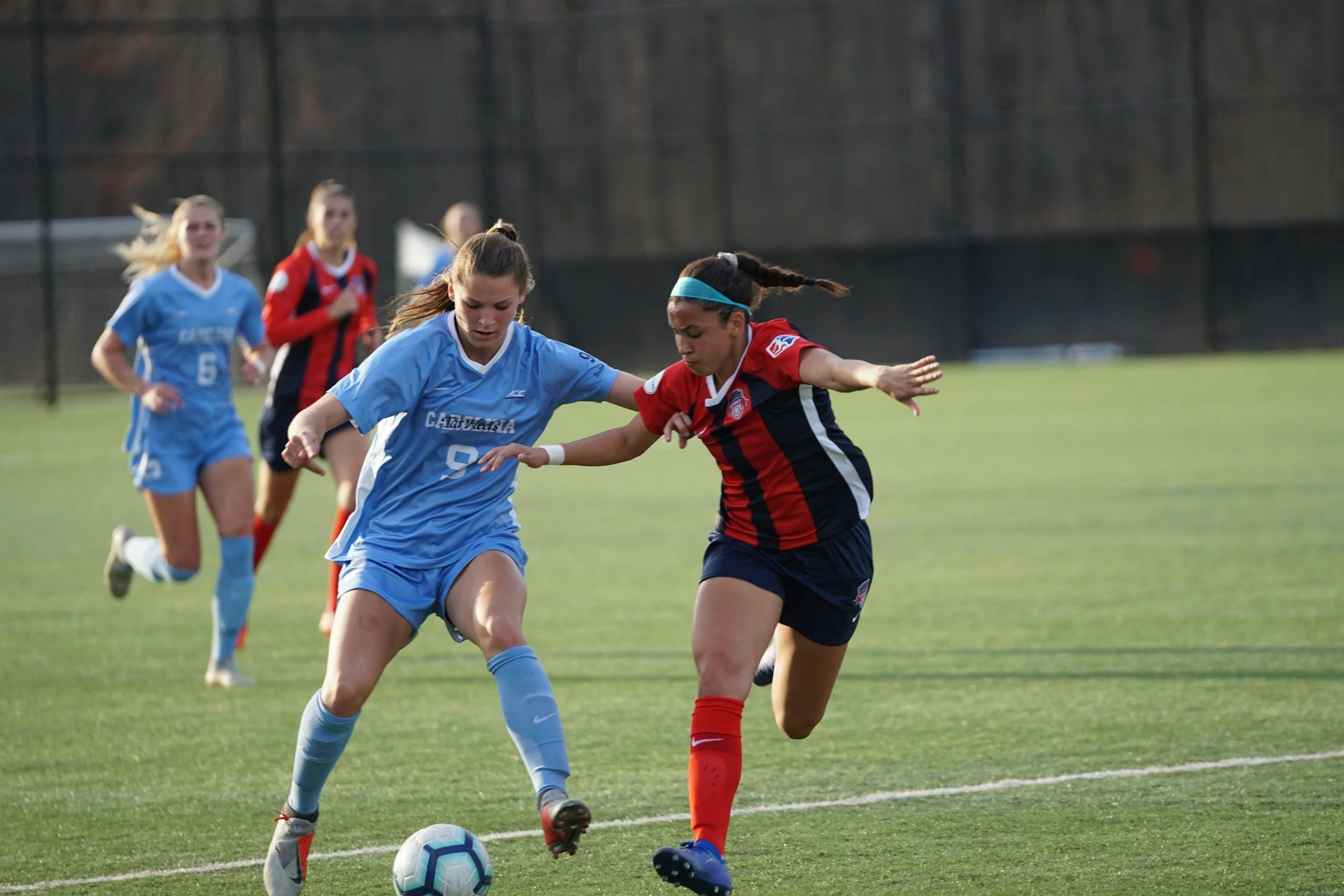
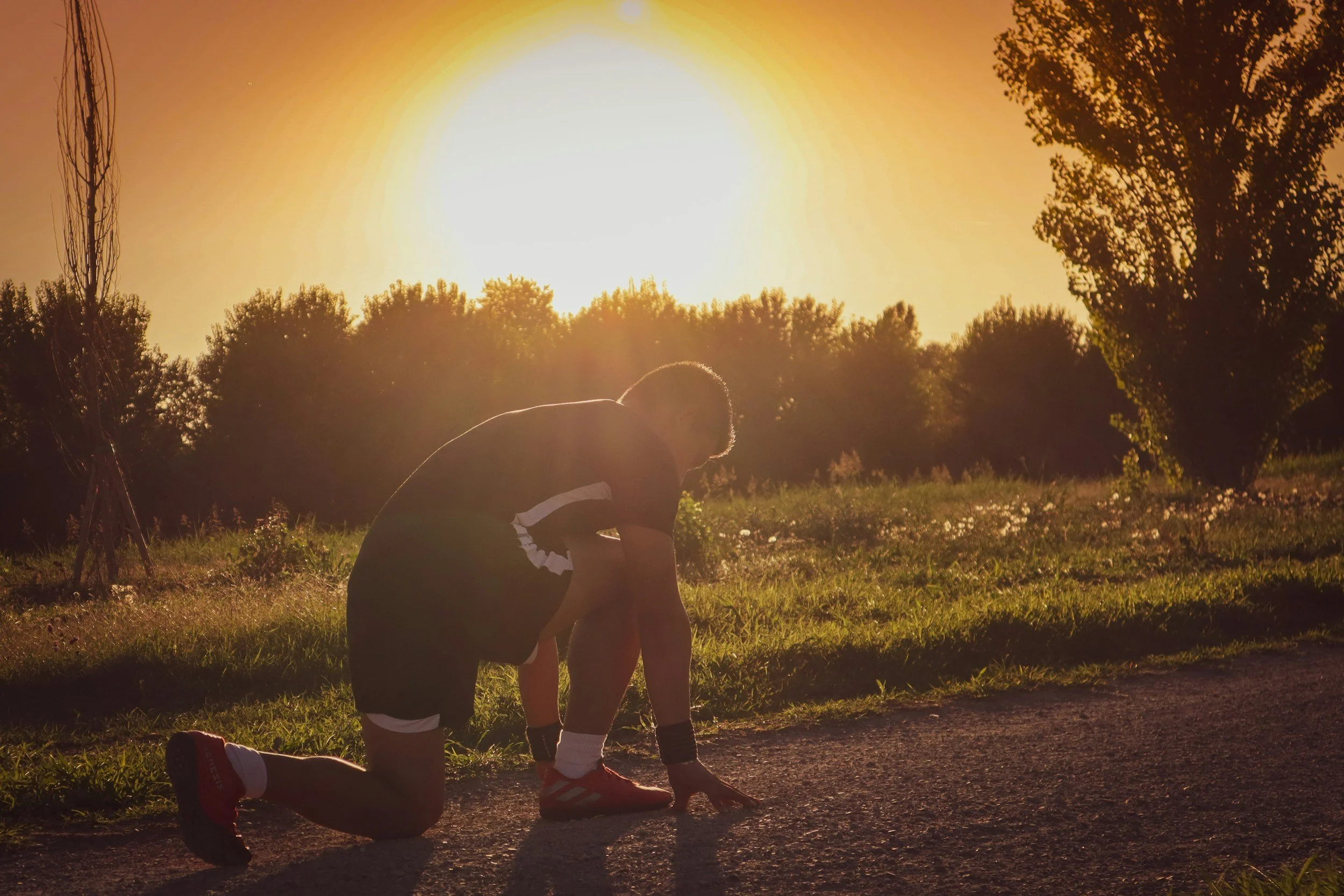
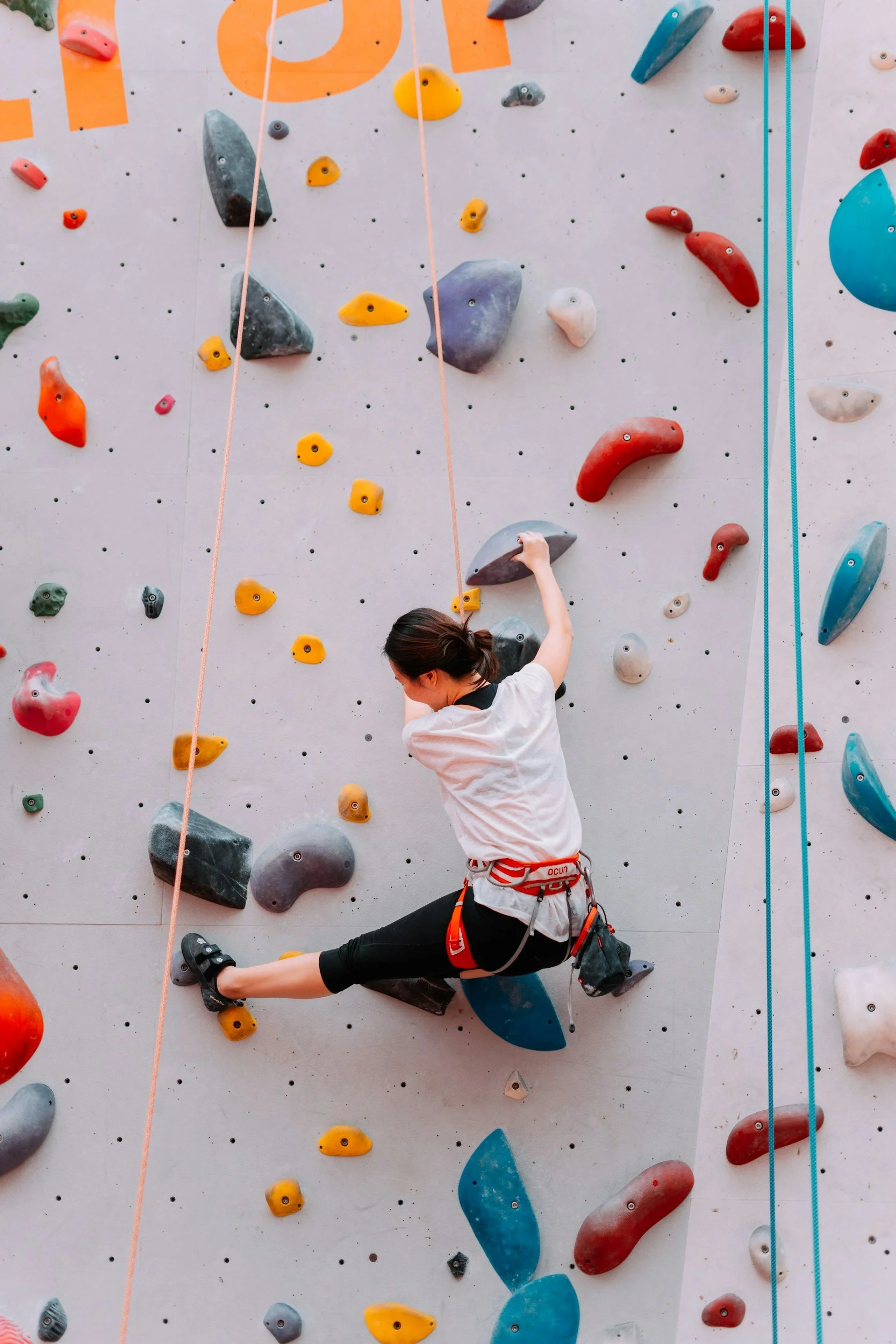
I’m not a sport psychologist, and I won’t pretend to be. I’m a psychotherapist who has lived in the world of sport, from team games like soccer, basketball, and volleyball to solo pursuits like running and climbing. I’ve felt the nerves, the frustration of being sidelined, and the way a sport can become part of who you are. I’ve also supported athletes in therapy with performance anxiety, fear of injury, and the toll an injury takes on mental health.

What We Might Work On
Performance Anxiety: Racing thoughts, a tight stomach, going blank at the worst moment. We’ll work on calming your body and your mind so you can trust yourself more when it counts.
Anger and emotional regulation in sport: A bad call, a mistake, a teammate who isn’t pulling their weight, and suddenly you’re furious. Anger in sport is incredibly common, and it doesn’t make you a bad person or a bad teammate. Often it’s frustration, disappointment, or pressure showing up in the only way it knows how. We’ll work on noticing it earlier, calming your body in the moment, and responding in a way you won’t regret afterwards, so your emotions work with you instead of against you.
Fear of injury and re-injury: After a bad injury, or even a close call, it’s normal to hold back. We’ll take the fear seriously and work toward returning to your sport with more confidence. This matters a lot in sports where risk is part of the deal.
Injury recovery: Being injured is hard on the body and often harder on the mind. Losing your routine, your team, and your outlet can hit your mood, motivation, and sense of self. I’m here for the emotional side of recovery while your physio or doctor looks after the physical side.
Who you are outside of sport: Many athletes’ self-worth gets tied to results. We’ll make room for the rest of you, which matters most during injuries, big transitions, and retirement.
Perfectionism and burnout: If you’re hard on yourself, always pushing, and rarely resting, we’ll look at where that comes from and find a way to train and compete that you can keep up.
How I work
Every athlete is different, so I shape therapy around you. I start with your strengths: the discipline and resilience that sport has already built in you. From there, I draw on a few approaches.
With DBT, I teach practical skills you can use in the moment, like staying grounded when the pressure is on, riding out strong emotions without acting on them, and bouncing back from mistakes. These skills are especially useful for anger and frustration, because they help you pause, reset, and get back in the game.
Narrative therapy helps when you’re stuck on stories like “I’m only as good as my last game,” so you can separate who you are from how you performed.
And I use a solution-focused approach to keep us pointed toward what you want, and to build on the times things are already going well.
If anxiety is a big part of what you’re dealing with, you can read more about my anxiety therapy.
What to expect
You’ll find someone who listens without judging. Struggling mentally doesn’t make you weak or less committed. Our sessions will be practical, with things you can try right away, and we’ll also talk about what’s underneath. I’m happy to work around your training and competition schedule.
Questions you might have:
Do I need to be a serious athlete?
Not at all. If you play on a varsity team, run marathons, lift, or just love playing pickup, you’re welcome.
Is this sport psychology or mental performance coaching?
No, this is psychotherapy. I focus on the emotional side of being an athlete, such as anxiety, anger, fear, injury, and self-worth. Many people find their performance and enjoyment improve along the way. If what you want is mental training for performance, I’m happy to say so honestly and point you toward someone who can help.
I get really angry when I play. Can therapy help?
Yes. This is one of the most common things athletes bring to me. We’ll look at what’s behind the anger, whether that’s pressure, perfectionism, or feeling out of control, and build skills so you can stay steady when things go wrong.
Can therapy help with fear of re-injury?
Yes. It’s more common than people think, and it often shows up quietly as hesitation or loss of confidence. We can work on it together.
I’m injured and doing physio. Can I still do therapy?
Yes, and they work well together. I’ll support the emotional side of recovery while your physio and doctor look after the physical side.
Do you work with athletes in my sport?
I work with athletes from all sports and levels. I’ve played a wide range myself, including soccer, basketball, volleyball, running, and climbing, but if yours is different, I’m always happy to learn about it from you.
Will you tell my coach or team what I share?
No. What you tell me stays private within the limits of confidentiality, and I’d only share anything with your written consent.
Ready to begin?
If you’d like to talk about whether we might be a good fit, we offer a free consultation call or video call.